
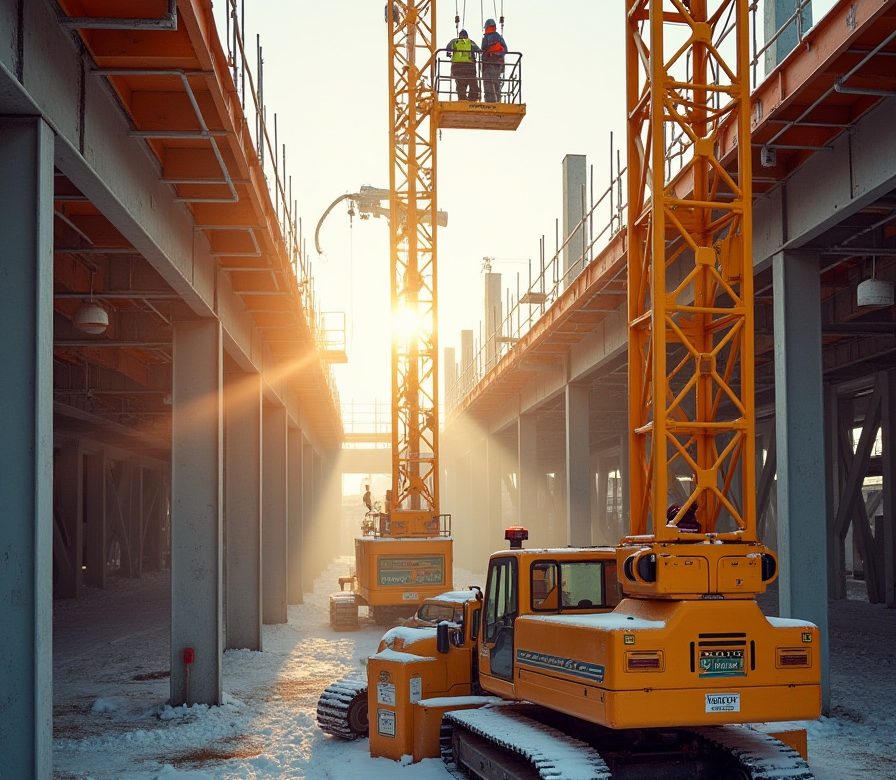
Sustainable Construction: Building a Greener Future
Sustainable construction has emerged as a critical response to the growing environmental challenges faced by the global community. It focuses on reducing the ecological footprint of construction activities by using eco-friendly materials, energy-efficient technologies, and responsible building practices. The goal is to create structures that not only serve their intended purpose but also minimize harm to the environment throughout their lifecycle—from design and construction to operation and eventual demolition.
One of the key elements of sustainable construction is the use of green materials, such as recycled steel, reclaimed wood, and low-VOC (volatile organic compound) paints. These materials reduce the reliance on non-renewable resources and decrease the overall environmental impact of construction projects. Additionally, integrating energy-efficient systems, like solar panels, LED lighting, and smart HVAC systems, helps reduce the building’s energy consumption and lowers carbon emissions.
Water conservation is another significant aspect of sustainable construction. Installing systems like rainwater harvesting, greywater recycling, and low-flow fixtures can drastically reduce water usage, which is crucial in regions facing water scarcity. Sustainable design also emphasizes natural lighting and ventilation, reducing the need for artificial energy sources and improving indoor air quality.
Moreover, sustainable construction doesn’t only benefit the environment—it offers long-term cost savings for property owners. While the initial investment in eco-friendly materials and technologies may be higher, the reduction in energy bills, maintenance costs, and potential tax incentives can lead to significant financial benefits over time.
In many countries, sustainable construction is also becoming a regulatory requirement, with governments offering incentives for buildings that meet green certification standards such as LEED (Leadership in Energy and Environmental Design) or BREEAM (Building Research Establishment Environmental Assessment Method). These certifications not only validate a building’s eco-friendly credentials but also enhance its market value.
Ultimately, sustainable construction is more than just a trend—it’s a necessary shift towards building a greener future. By adopting environmentally responsible practices, the construction industry can play a vital role in combating climate change, conserving natural resources, and creating healthier living spaces for future generations.
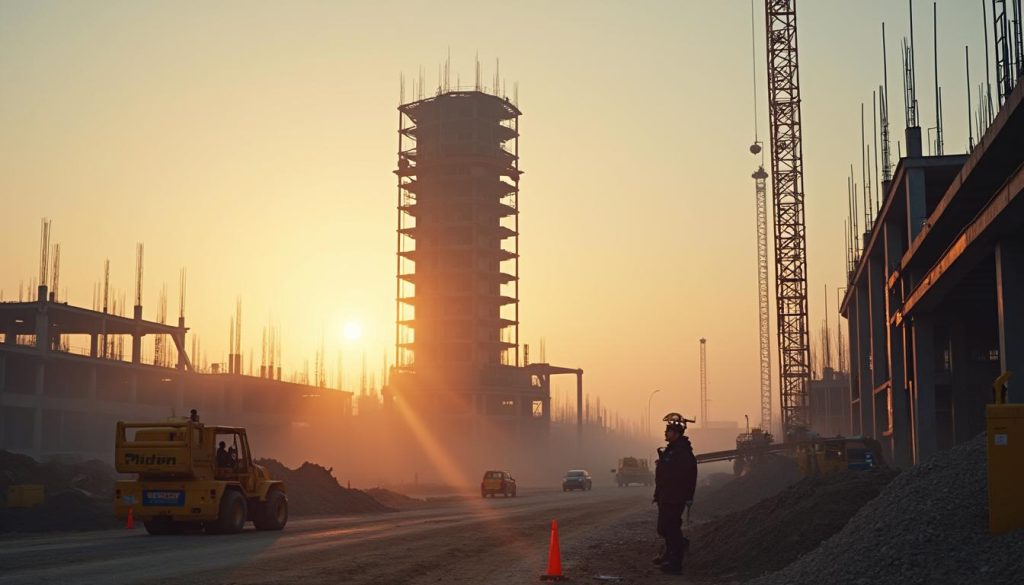
Sustainability has become a cornerstone in modern construction. By using eco-friendly materials and energy-efficient solutions, companies contribute to environmental protection while also complying with global green building standards. Sustainable construction not only reduces the carbon footprint but also leads to long-term cost savings.


